
When Does Summer Start in Florida? An FSU Student’s Guide
Florida summer starts earlier than the calendar says. Learn FSU’s Summer A, B and C dates, Tallahassee heat, hurricane season and summer housing tips.
When Does Summer Start in Florida? An FSU Student’s Guide
Officially, summer in Florida starts on the June solstice, June 21 in 2027, and meteorological summer starts June 1. In Tallahassee, though, summer weather arrives in May, with highs near 90°F that last through September. For FSU students, the summer semester starts in mid-May, and hurricane season runs June 1 to November 30.
Key takeaways
- FSU’s Summer 2027 classes start May 10, about six weeks before the official first day of summer.
- Pick your session early: Summer A and B each last six weeks, while Summer C runs the full 12.
- Plan walks, workouts and errands for the morning, because summer afternoons in Tallahassee reach the low 90s.
- Sign up for FSU Alerts and build a hurricane kit before June 1.
- Check whether your lease already covers summer before paying for storage or a sublease.
On the calendar, summer in Florida begins with the June solstice, which falls on Monday, June 21, in 2027. In Tallahassee, though, summer shows up in May, the same month FSU’s summer term begins on May 10. Here’s how FSU’s summer sessions work, what the heat and hurricane season bring, and how to make your first summer as a Nole a good one.
When Does Summer Start in Florida?
It depends on who you ask. Astronomers count the June solstice as the first day of summer, while meteorologists start the season on June 1. In 2027, the solstice falls on Monday, June 21.
For FSU students, the more useful answer is May. Average highs in Tallahassee hit the upper 80s in May, reach the low 90s by June, and stay in the upper 80s through September. FSU’s spring semester ends April 30, and summer classes start just 10 days later. In practice, a Tallahassee summer runs from May into September.
How Does the Summer Semester Work at FSU?
The summer semester at FSU fits regular courses into fewer weeks, so classes meet more often and move faster. Students take summer classes at FSU to catch up, get ahead or lighten a future fall or spring schedule. Campus is quieter than in fall, which can make it easier to grab a study spot. The university closes for Memorial Day on May 31 and for Independence Day, observed Monday, July 5.
Summer A, Summer B and Summer C Sessions
FSU splits summer into overlapping sessions. In 2027, Summer A runs May 10 to June 17, Summer B runs June 21 to July 30, and Summer C covers the full 12 weeks from May 10 to July 30. There’s also an eight-week Session F from May 10 to July 2.
A six-week class covers a full semester of material in less than half the usual time, so plan your course load carefully. Splitting classes between Summer A and FSU Summer B spreads the work out, while Summer C gives you a steadier pace. Want a free July for an internship or a trip home? Finishing everything in Summer A clears the rest of the season.
How Hot Does Tallahassee Get in Summer?
Tallahassee summers are hot and humid. Normal highs sit around 91 to 92°F from June through August, and the National Weather Service recorded Tallahassee’s first 100-degree day of 2026 in July. Humidity pushes the heat index even higher, so a 92-degree afternoon can feel like 100-plus.
Afternoon thunderstorms are a regular part of the season. Many days start sunny and turn stormy by mid-afternoon, so get your outdoor plans done early. Carry a refillable water bottle, because hydration matters more than you think. Wear sunscreen even on cloudy days, since the UV index runs high. Keep a compact umbrella in your bag. Good air conditioning will matter more here than almost anywhere you’ve lived.
What Should FSU Students Know About Hurricane Season?
The Atlantic hurricane season runs from June 1 through November 30, so it overlaps summer classes and the start of fall semester. Activity usually peaks from mid-August through October, which means your first storm watch could come during your first weeks on campus. Tallahassee sits inland, but past storms have brought fallen trees and long power outages across Tallahassee and Leon County.
Get ready before June:
Sign up for FSU Alerts and follow the National Hurricane Center for forecasts.
Build a hurricane preparedness kit. Include a gallon of water per person per day for several days, nonperishable food, a flashlight, extra batteries, a charged power bank, medications, some cash, and copies of important documents in a waterproof bag.
Decide where you’d go if you needed to leave town, and share that plan with your family.
Where Should You Live During Your First FSU Summer?
Your first FSU summer comes with a housing decision: stay, sublease, or move out and store your stuff. FSU summer housing on campus is offered by session. But if your lease ends in spring, you could move twice in four months and pay for student storage in between.
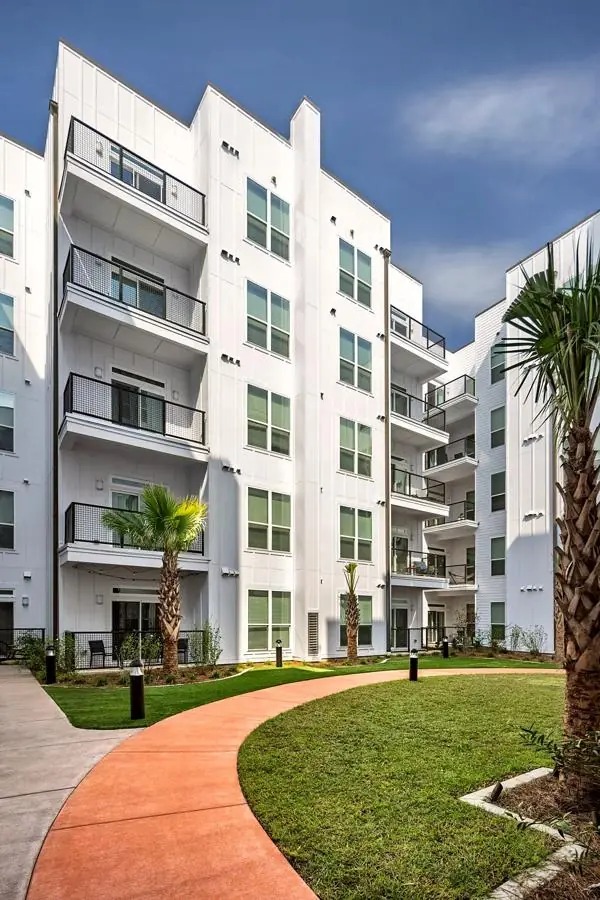
The simpler option is a lease that already includes summer. At The Renegade, the standard academic-year lease runs August to July. You can take Summer A, work an internship in town or just enjoy the pool without packing up. Apartments are furnished, range from private studios to six bedrooms, and sit about four minutes from campus. Compare our FSU student apartment floor plan options to find your fit.
Heading home or abroad for part of the summer? Ask the leasing team about the re-let program, which lets you transfer your lease to another qualified student. It’s usually easier than finding a sublease on your own.
How Can You Stay Cool and Enjoy Summer in Tallahassee?
The secret to a Tallahassee summer is timing: get outside early, head indoors at midday and save evenings for the water. Some of the best things to do at FSU in summer are low-key, like studying in the air conditioning at Strozier Library or catching a sunset with friends. Tallahassee is also closer to great swimming spots than most new students realize.
Wakulla Springs State Park, a short drive south of town, has one of the largest and deepest freshwater springs in the world. Gulf Coast beaches are close enough for an easy day trip. Closer to home, The Renegade’s rooftop pool comes with a jumbotron and grills, and the 24-hour fitness center lets you work out after dark, when it’s cooler.
Make Your First FSU Summer the Easy Part
Your first Florida summer comes with plenty to figure out: a faster class schedule, real heat, and a hurricane season to prepare for. Your housing shouldn’t add to that list. The Renegade offers furnished student apartments near FSU with summer built into the lease, a rooftop pool for the hottest afternoons, and a front office that texts back. Schedule a tour, see the roof for yourself, and pick the floor plan that fits your year.
Conclusion
Summer in Florida officially starts June 21, but at FSU it starts in May, with Summer A, B and C sessions fitting a semester into a few weeks. Tallahassee’s heat, humidity and afternoon storms reward early mornings and good AC, and hurricane season means preparing before June. Choose housing that covers summer, and your first Tallahassee summer can be more pool days than packing days.
Frequently asked questions
Is FSU near the beach?
Yes, it’s within driving distance. The closest Gulf beaches, Shell Point and Wakulla Beach, are about 35 to 40 minutes from Tallahassee. For white sand and clear water, St. George Island is about an hour and 45 minutes away.
When does summer registration open at FSU?
Summer registration usually opens in early March for continuing students, with appointment times based on credit hours. In 2026, it opened March 2 for graduate students and seniors and March 30 for freshmen. FSU publishes the Summer/Fall 2027 Registration Guide with exact dates on February 22, 2027.
When is FSU summer orientation for new students?
It depends on your start term and session. First-year students starting in summer or fall attend New Nole Orientation, which includes two nights of on-campus housing unless you opt out. In 2026, summer starters attended sessions in early May (Summer A and C) or mid-June (Summer B). New first-year students register for classes during orientation.
Does FSU close when a hurricane is coming?
Sometimes. FSU decides based on National Hurricane Center forecasts and expected local impacts. For example, it closed for Hurricane Idalia in 2023 because of expected widespread power outages, and campus housing stayed open during that closure.
Does financial aid cover summer classes at FSU?
It can. You must be enrolled in summer classes to be considered, and Bright Futures requires at least six summer credit hours. Pell Grant eligibility depends on how much of your yearly award you have left. Talk to the Office of Financial Aid before you register.
When does FSU get out for summer?
FSU’s Spring 2027 semester ends April 30. If you’re taking summer classes, sessions run from May 10 to July 30.
Do FSU students have to take summer classes?
Many undergraduates do. FSU’s Required Summer Attendance Policy requires students it covers to complete nine credit hours during summer sessions before graduating. Ask your academic advisor whether the policy applies to you.
What should FSU students pack for summer?
Pack light, breathable clothing, a rain jacket or compact umbrella, sunscreen and a refillable water bottle. Bring a light layer too, since air-conditioned classrooms and libraries can feel chilly after the heat outside.
Do I need renters insurance during hurricane season?
It’s a smart idea. The Renegade’s property insurance doesn’t cover your belongings, so renters insurance protects your things if they’re damaged or stolen. Standard policies often exclude flood damage, so read the coverage details before hurricane season.